
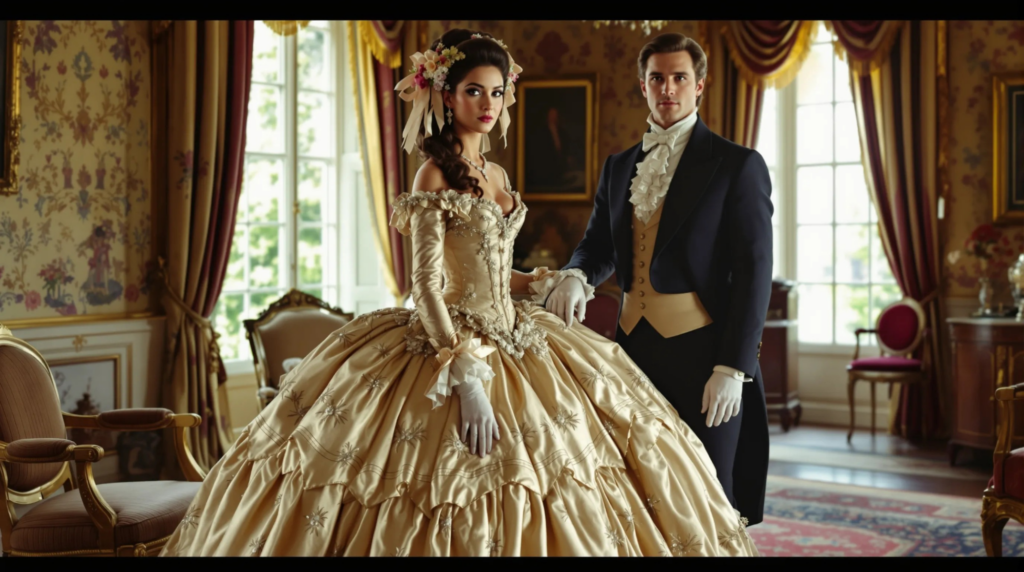
Take a step back in time with us to the charming 1820s, a decade bursting with vibrant styles that turned heads and raised eyebrows. We’re diving into the intricate world of 1820s fashion, where layers and textures reigned supreme, making it a delightful challenge to maintain our balance while donning those enormous skirts and tail coats. So, let’s slide into the silk and satin of yesteryear, where fashion was not just a statement but a veritable spectacle.
Overview of 1820s Fashion Trends
The 1820s marked a notable departure from the previous decade, transitioning from the form-fitting, neoclassical silhouettes that characterized the late 18th century to a more exuberant approach to design. During this decade, we witnessed the rise of Romanticism, manifesting itself vividly in fashion through extravagant shapes and lush materials. Women’s dresses transformed into voluminous creations, while men’s attire adopted an air of sophistication with tailored coats that showcased an elegance hard to match. As we examine the fashion landscape of the 1820s, it’s essential to recognize the interplay of different styles that celebrated individuality and social status.
Key Features of Women’s Fashion
Women’s fashion in the 1820s was all about dramatic structures and intricate details. We can’t talk about this decade without mentioning the iconic bell-shaped skirts supported by crinolines, which often required a substantial amount of fabric. A common sight at most gatherings, these skirts were complemented by fitted bodices that emphasized a woman’s waist, endlessly flattering yet incredibly constraining. Supported by puffy sleeves and soft fabrics like muslin, the overall effect was enchanting. To accessorize, women opted for shawls and gloves, while their hairstyles often featured elaborate updos adorned with ribbons or flowers, demonstrating an artistic flair that was both bold and beautiful.
Men’s Fashion: Styles and Silhouettes
Meanwhile, the gentlemen of the 1820s favored clothing that was as much about function as it was about fashionable statements. Tailcoats, waistcoats, and breeches made up their standard apparel, and we noticed the silhouette began to evolve into a more tailored look. The coats were typically cut high at the front and lower in the back, which provided a sleek appearance that shaped the male figure. A notable trend was the use of high collars, often turned down or popped for a touch of dashing flair. Trousers began to replace breeches as preferred legwear, marking a significant shift in men’s fashion that would last for years to come. In shoes, boots were favored, especially those with decorative adornments, making them the perfect complement to any outfit.
Influence of Social and Cultural Factors
The 1820s were not just a pivotal decade for fashion but also for socio-cultural changes that deeply influenced what we wore. With the rise of the Industrial Revolution, mass production became more feasible, allowing styles to trickle down from the elite to the general populace. We also began to see fashion magazines emerge, further spreading styles and trends across countries and social strata. Besides, the increased focus on individualism, encouraged by artistic movements like Romanticism, led many to personalize their wardrobes, creating unique interpretations of prevailing trends. As we engaged with this evolving landscape, concepts of gender presentation became more pronounced, forever altering societal perceptions and expectations.
Materials and Fabrics Commonly Used
The choice of materials in 1820s fashion played a crucial role in achieving that stunning aesthetic we admire today. Fabrics such as silk, satin, and taffeta were in high demand, lending luxuriousness to both women’s and men’s attire. For practical everyday wear, cotton muslin became increasingly popular, especially for women’s dresses. It was light, breathable, and perfect for layering. We also can’t overlook the decorative elements that were commonly added to these garments, such as embroidery and lace, which added an extra layer of sophistication. The use of contrasting materials became fashionable, often with elaborately designed textiles that symbolized wealth and taste.
Notable Fashion Icons of the 1820s
As we admire the fashion of the 1820s, let’s also recognize some of the key figures who helped shape these trends. Figures like the Duchess of Bedford were pivotal in elevating the art of dress, often spotted in the latest styles that influenced countless women of her time. Meanwhile, artists like Eugène Delacroix inspired fashion through their vivid portrayals of romantic subjects, forever intertwining art with style. Even in literature, characters portrayed in novels painted relatable yet extravagant images of the genteel world, enhancing the allure of glamorous dressing. It’s fascinating to see how these cultural icons contributed to the popularity and evolution of 1820s fashion.