
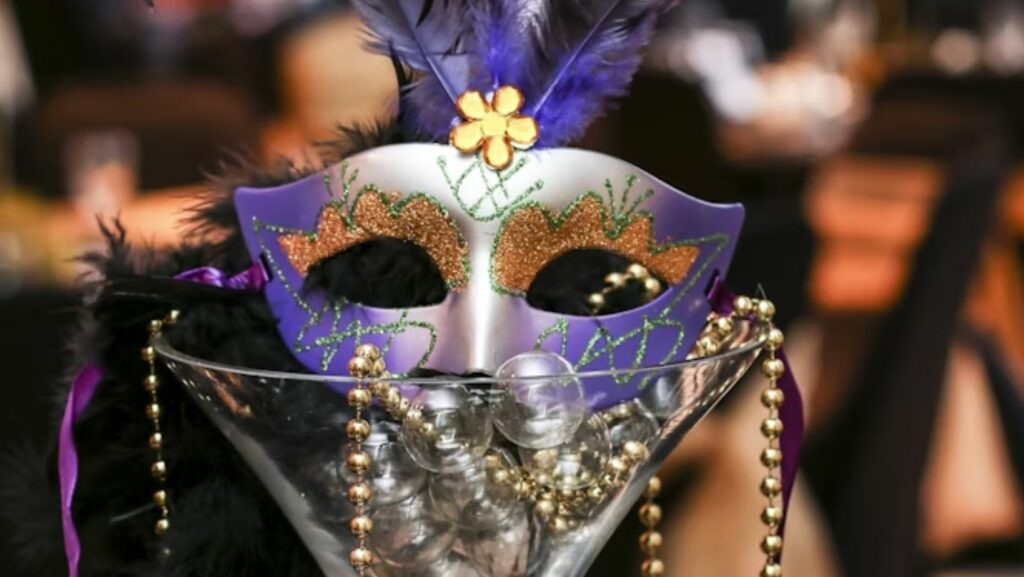
Mardi Gras, also known as Fat Tuesday, is one of the world’s biggest celebrations. It began with French settlers in the 18th century and has grown into a dazzling mix of floats, costumes, and non-stop energy. The festival leads up to Ash Wednesday, marking the start of Lent, and blends African, Native American, and European influences that make it truly unique.
At the center of it all are the krewes—local social clubs that organize parades filled with creative themes and fun giveaways. Crowds line the streets, hoping to catch beads, cups, and other festive throws as the floats roll by.
With lively marching bands, grand floats, and cheerful crowds, the whole city buzzes with excitement. Beyond the parade routes, neighborhoods host their own parties and street events, showing that Mardi Gras isn’t just a day—it’s the heartbeat of New Orleans.
The Origins and Traditions of Mardi Gras
Mardi Gras came to Louisiana with French settlers in the 1700s, bringing carnival traditions from Europe that gradually blended with local culture to create the famous celebration we know today.
The real stars of the event are the krewes—social clubs that organize parades and balls, each with its own style and pride. Two of the most famous are Rex and Zulu, who lead the festivities every Mardi Gras Day. Rex even declared the festival’s official colors back in 1872: purple for justice, green for faith, and gold for power.
Masks and costumes are another big part of the fun—float riders are required by law to wear masks, a tradition that began to let everyone take part freely, no matter their background. Today, both riders and spectators join in by dressing up in bright, festive outfits or a creative Mardi Gras outfit, especially on Fat Tuesday. It’s like Halloween with more sparkle and color.
And of course, there’s the King Cake—a colorful, ring-shaped pastry topped in purple, green, and gold, with a tiny plastic baby hidden inside. Whoever finds the baby has to bring the next cake, keeping the fun and sweetness going all season.
With all these traditions, Mardi Gras is more than just a parade—it’s a celebration that brings locals and visitors together year after year, each adding their own touch to the story.
Major Parades and Their Highlights
Mardi Gras parades wouldn’t be complete without the krewes—the groups that plan and bring each parade to life with their own unique style and humor. Two of the most famous are Rex and the Zulu Social Aid and Pleasure Club. Rex is all about tradition, royalty, and the classic purple, green, and gold colors that define Mardi Gras. Zulu, on the other hand, adds plenty of fun and laughter, especially with their famous coconut throws—catching one is a real prize.
Other krewes bring their own magic, too. The Krewe of Muses, made up of all women, delights crowds with witty themes and glittery high-heel shoe throws. Then there’s the Krewe of Endymion, known for going all out with giant glowing floats, fireworks, and even celebrity guests that light up the night parades.
Cultural Experiences Beyond the Parades
Lesser-known Events and Celebrations
While big names like Rex and Zulu steal the spotlight, many smaller parades and traditions make Mardi Gras unforgettable.
One favorite is the Krewe du Vieux. Instead of massive floats, it features handmade ones rolling through the streets with funny, sometimes cheeky themes. It’s full of local humor and feels more personal and laid-back than the main parades.
Animal lovers will adore the Krewe of Barkus, where dogs take center stage in wild costumes. It’s a fun, family-friendly parade filled with laughter, wagging tails, and plenty of photo moments.
Then there are the Black Masking Indians, or Mardi Gras Indians—tribes who spend months crafting detailed, hand-sewn suits covered in beads and feathers. Their parade celebrates deep cultural roots, honoring Black and Native American heritage with incredible artistry and pride.
Food and Drink Delights
Mardi Gras isn’t just about colorful parades and wild costumes—it’s also a huge food and drink celebration. The star of the season is the King Cake, a sweet ring-shaped pastry decorated in purple, green, and gold. It’s like a mix between a cinnamon roll and a game, since a tiny plastic baby is hidden inside. Whoever finds it has to buy the next cake, keeping the fun (and sugar rush) going from early January until Fat Tuesday. People enjoy King Cake anytime—breakfast, snack, or dessert.
Street food is another highlight. Vendors serve up New Orleans favorites like gumbo, jambalaya, po’boys, and crawfish—perfect for quick, tasty bites while watching parades. Whether you like spicy, fried, or hearty food, there’s always something delicious nearby.
Drinks are part of the fun, too. With the city’s open-container rules, people stroll from one party to the next with cocktails or beer in hand—sometimes using cups caught from parade floats! Bars and pop-up stands line the routes, so there’s always a place to grab a refill and join in the festive cheer.
Planning Your Mardi Gras Experience
Choosing the right place to stay during Mardi Gras can make your trip much better. Staying near the parade routes and main events saves time and keeps you close to the fun. The French Quarter is full of energy and history but can be crowded and noisy. For a quieter stay, the Garden District is a great choice with its pretty streets and a relaxed vibe—plus, you’ll still be close to the main parades on St. Charles Avenue.
Getting around is easiest on foot or by public transport. With so many people downtown, driving is slow and parking is hard to find. Streetcars, especially the St. Charles line, are a fun and easy way to travel. Buses also run close to most parade areas and are a reliable option.
New Orleans is a walkable city, so you can reach many places just by walking and enjoy the lively streets along the way. For longer trips or late nights, taxis and ride-shares work well, but expect them to be busy once the parties begin.
Making the Most of Mardi Gras: Insider Tips
Local tips can make your Mardi Gras experience way better. St. Charles Avenue is the main spot for parades, but don’t expect a good view if you show up late—locals arrive early to claim the best places.
There are also some unspoken rules. Don’t jump over barriers or grab throws unless they’re clearly meant for you. Following parade manners keeps the fun going for everyone.
Keep an eye on your belongings, as big crowds make it easy to lose things. Bring only what you need and stick to bright, busy areas after dark. Parking near the parade is almost impossible, so take public transport or ride a streetcar instead.

Remember, Mardi Gras lasts all day, so pace yourself. Drink plenty of water, eat regularly, and enjoy some local street food to stay energized.
If you start to feel tired, take a short break in a nearby park or step away from the crowds. Resting for a bit helps you enjoy the celebration longer—and remember it better, too.
Embracing the Mardi Gras Spirit
To make the most of Mardi Gras, dive into the culture and meet the people who make it so special. The celebration is full of local traditions and stories from every neighbourhood. There’s more to enjoy than just the big parades—join block parties, explore community events, and talk to locals. You’ll see how each area’s history and personality come together to make Mardi Gras truly unique.
The magic of Mardi Gras is found in the moments you’ll never forget. You might dance to a brass band, laugh at a funny costume, or catch beads flying from a float. Everyone has their favourite memory, but it’s often the spontaneous smiles and warm welcomes that mean the most.
Soak in every sight and sound, whether you’re following a parade or relaxing with a beignet. The spirit of Mardi Gras stays with you long after it’s over, leaving you with memories and stories worth sharing for years to come.